


East-West Wire Speaking for the Trees
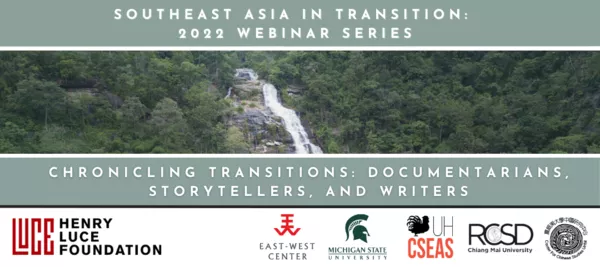
Through a grant from the Henry Luce Foundation, the East-West Center, Michigan State University, the University of Hawaii's Center for Southeast Asian Studies and Center for Chinese Studies, and Chiang Mai University, led a series of webinars that explored how communities in Southeast Asia are experiencing the economic, social, and cultural dislocations of these transformations. The series focused on forests, rivers, documentarians and writers, and how the latter two have a role to play in ensuring that local concerns are head and understood. Read the full East-West Wire here.
East-West Wire is a news, commentary, and analysis service provided by the East-West Center. Quotes and information from Center specialists and distinguished experts can be used by media with attribution to the East-West Center or the person quoted. To receive the East-West Wire by email, click here.
Micah Fisher awarded 2022 Asia Pacific Economic Cooperation (APEC) Science Prize
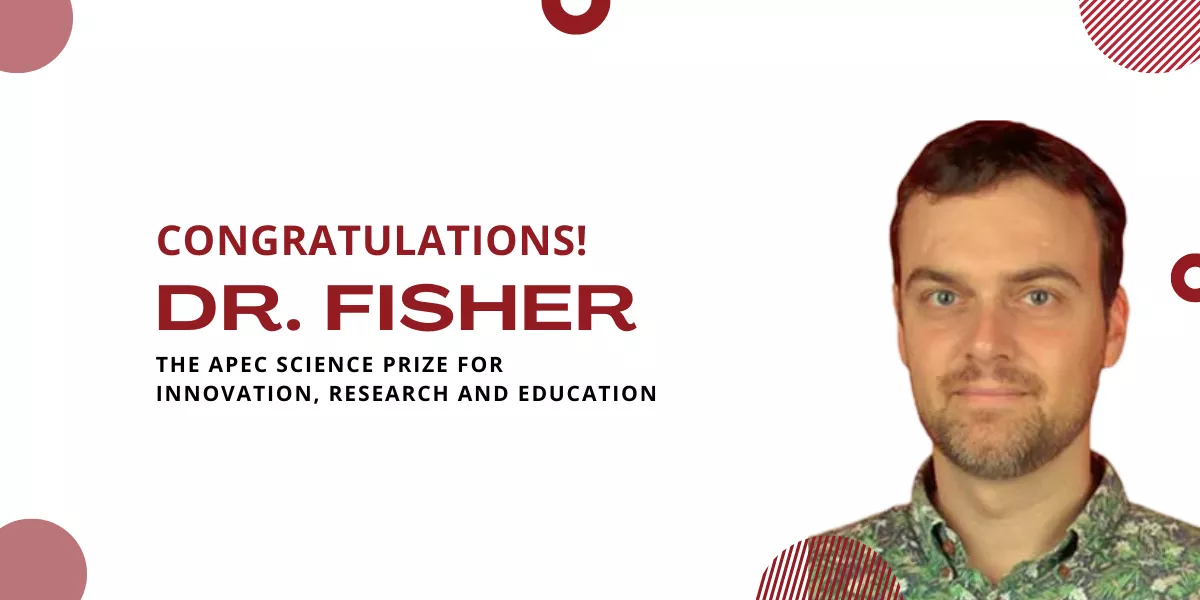
Geography and Environment PhD alum (2019) and EWC Research Fellow Micah Fisher has been named the winner of the 2022 Asia Pacific Economic Cooperation (APEC) Science Prize for Innovation, Research, and Education (ASPIRE) from the US. This annual award recognizes young scientists who have demonstrated a commitment to both excellence in scientific research and cooperation with scientists from other APEC member economies in addressing the 2022 theme of Innovation to Achieve Economic, Environmental, and Social Goals.
This year’s theme focused on advancing the integration of a Bio-Circular-Green (BCG) Economy Model among APEC members, as well as environmental, social and governance (ESG) practices and the responsible business conduct (RBC) in the private sector. With this theme, ASPIRE 2022 sought to showcase impactful and meaningful research that were able to transform the whole of society to become more balanced and sustainable. Congratulations, Micah!
Pathways to Integrated Urban Water Management for Greater Jakarta
East-West Center Fellow, Micah Fisher, co-authored a report, Pathways to Integrated Urban Water Management for Greater Jakarta, for the World Bank. This report offers recommendations to support the adoption of integrated urban water management (IUWM) in Greater Jakarta. The information is intended to provide immediate actionable interventions in the short term, while building up the knowledge base and expertise for more strategic institutional planning and development approaches in the longer term.
The full report is available on the World Bank's website. Click here to view the report.
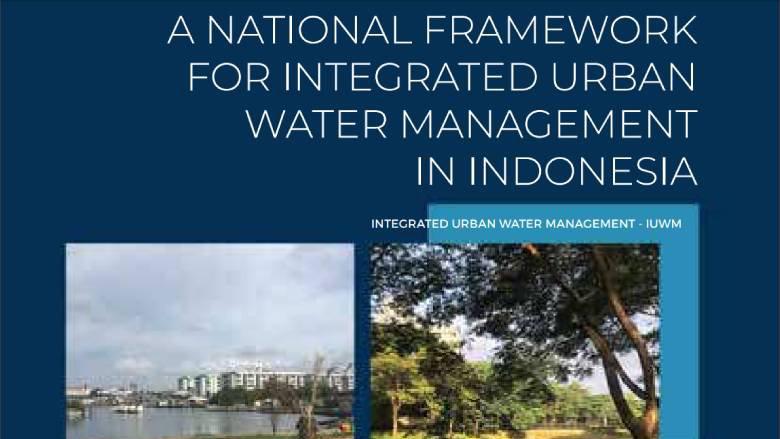
A National Framework for Integrated Urban Water Management in Indonesia
East-West Center Fellow, Micah Fisher, co-authored a report, A National Framework for Integrated Urban Water Management in Indonesia, for the World Bank. This report focuses on the potential for integrated urban water management (IUWM) to address the severe and interrelated water security challenges faced by Indonesian cities. IUWM is well established as an approach to urban water policy, planning, and management. It has been successfully adopted in cities around the world, but is not yet well known among local governments in Indonesia.
The full report is available on the World Bank's website. Click here to view the report.
Why India must make gender equality a top priority
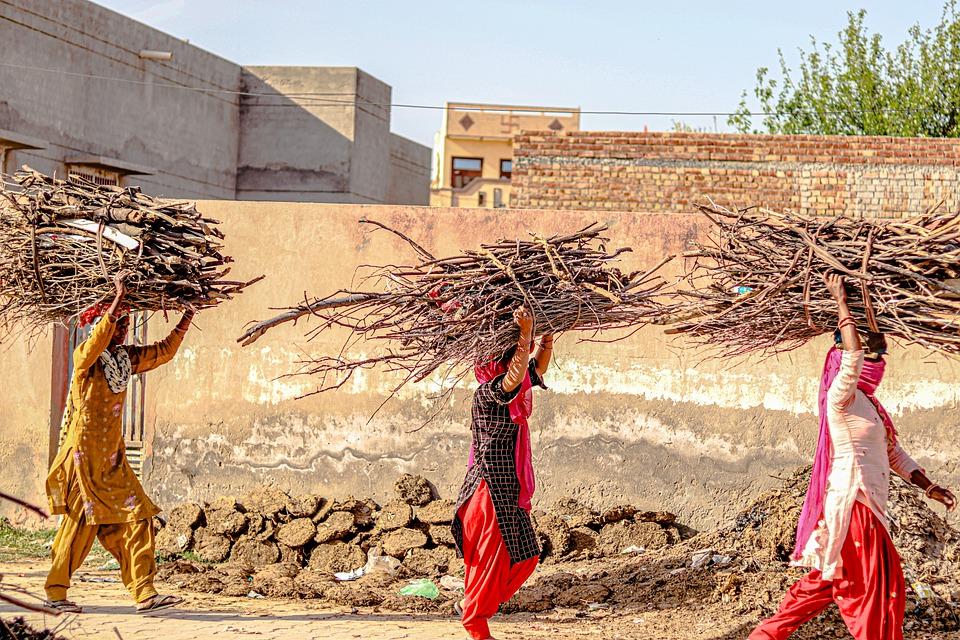
East-West Center Fellow, Phanwin Yokying, authored a report, "Why India must make gender equality a top priority," concerning India's gender budget released early February 2022.
Although India has one of the fastest growing large economies in the world, the recent Union Budget does not do nearly enough to tackle the rampant gender inequities that persist across the country, Phanwin Yokying writes. Much more needs to be done to improve outcomes for women and girls in India. In 2019, India scored 0.820 in the United Nations Gender Development Index, which was significantly below Bangladesh, Nepal, Sri Lanka, and other lower-middle income countries in South Asia.
The full report is available on Asia & The Pacific Policy Society's Policy Form. Click here to view the report.
In the Wake of Coup, Gold Mining Boom Is Ravaging Myanmar
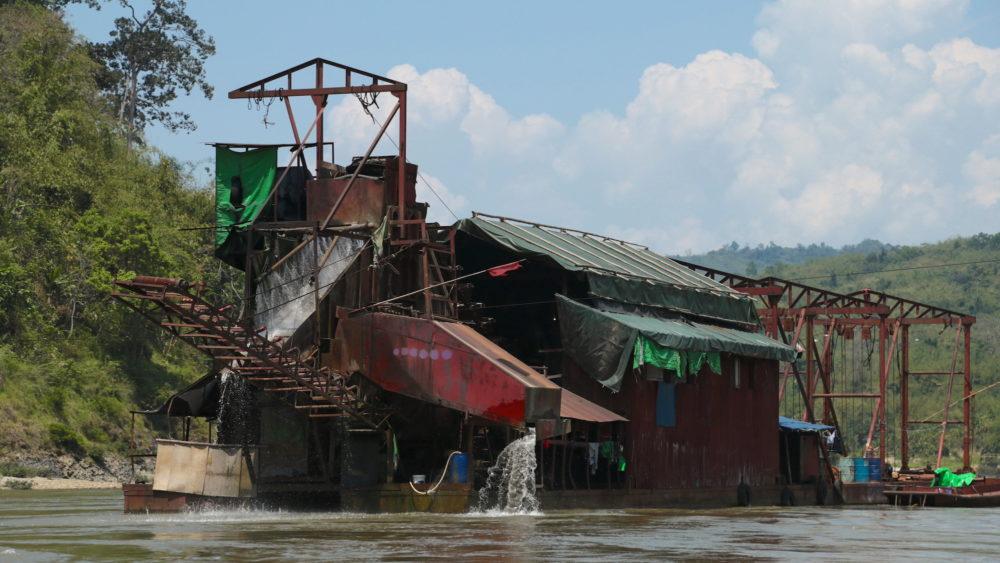
With a military junta retaking power last year, a gold rush is increasingly despoiling rivers in the Myanmar state of Kachin, polluting water with mercury, destroying riverbanks and farmland, and disrupting the traditional way of life of the region’s ethnic groups.
Kevin Woods, a research fellow at the East-West Center in Honolulu who has done extensive research on conflict resources in Myanmar, described a close link between deforestation hotspots and areas under the control of the military and paramilitary groups. “These highly lucrative resource deals have lubricated military-aligned political relations and bank accounts,” he said in an email.
Click here to read the full article on YaleEnvironment360.
Polar Perspectives No. 11 | The “New” Arctic as a Zone of Peaceful Competition
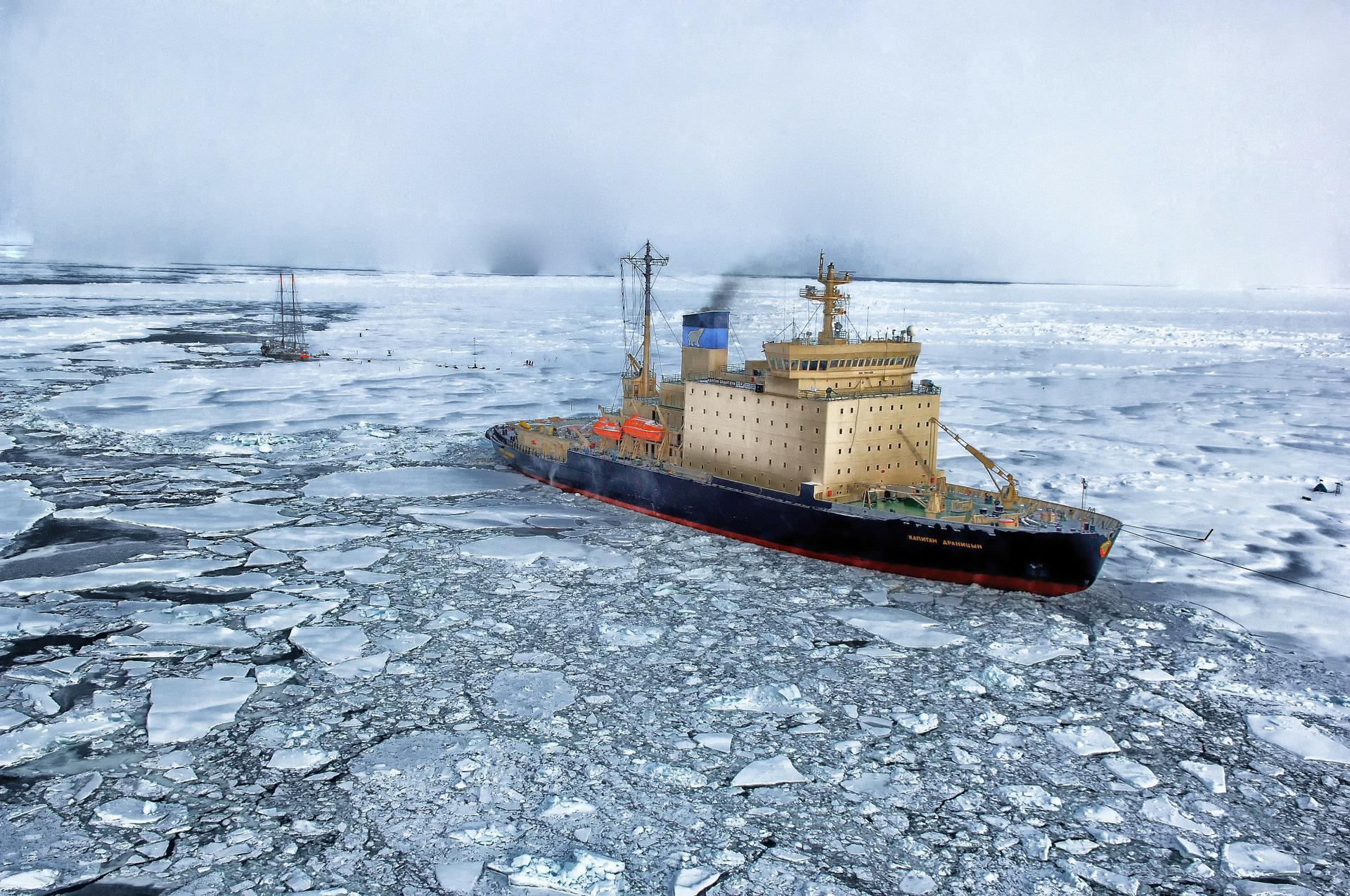
In this special edition of Polar Perspectives, the Korea Maritime Institute, East-West Center, Steering Committee of the North Pacific Arctic Conference, and the Wilson Center’s Polar Institute offer a useful point of departure to explore future cooperation on Arctic issues under the unique geopolitical conditions of the 2020s. A number of specific areas where cooperative initiatives seem feasible are suggested, as well as ways to adjust the existing structure of Arctic governance to capitalize on such opportunities. The authors—three senior Arctic experts from China, Russia, and the United States—counter narratives that describe the region as an arena of great power competition or of “Arctic exceptionalism.” They characterize the “new” Arctic as a zone of peaceful competition with opportunities to cooperate on specific issues, despite the diverging interests of major actors.
Click here to download the publication from the Wilson Center.
Hawai‘i Climate Data Portal
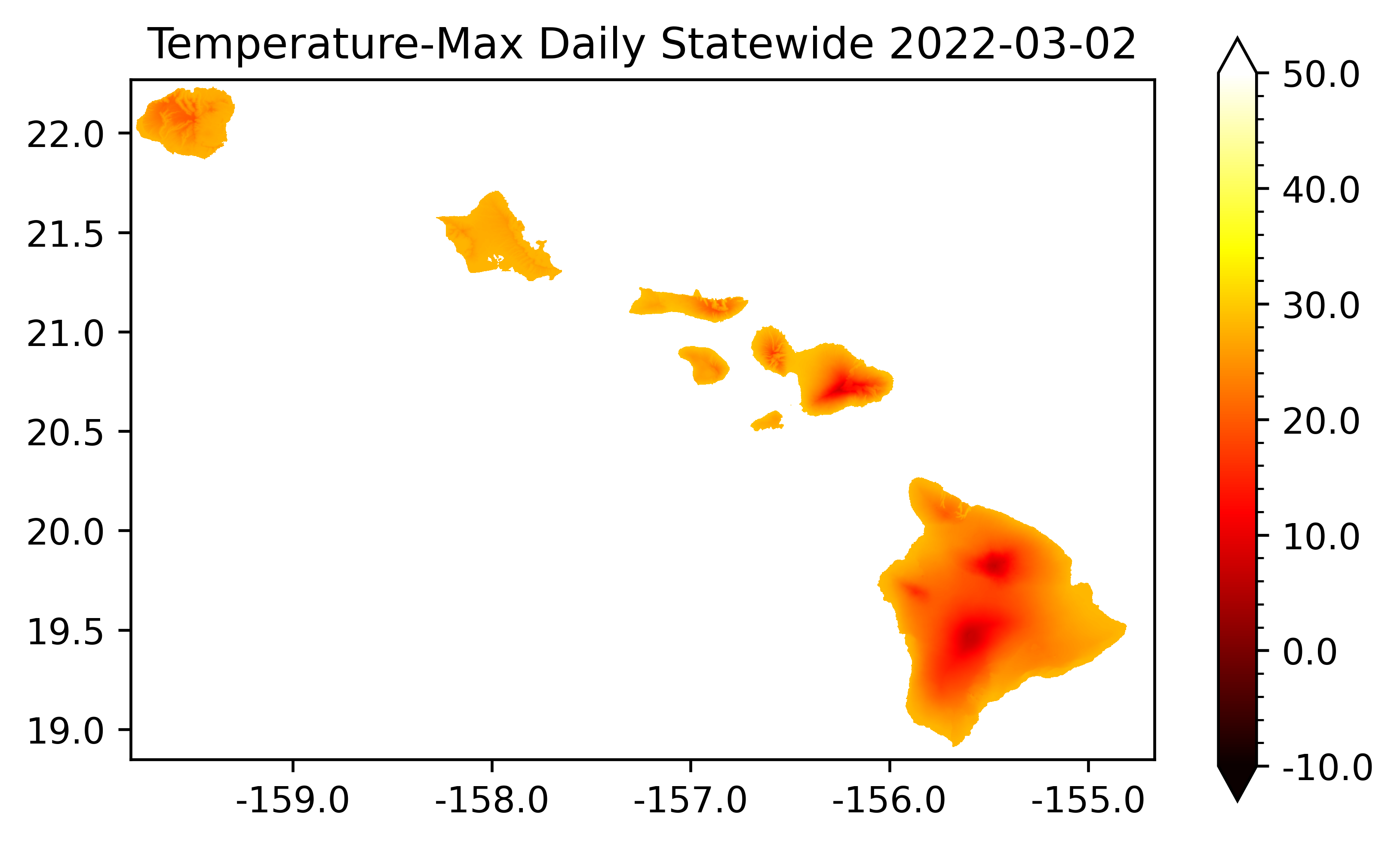
After almost a decade of development, the Hawai‘i Climate Data Portal (HCDP) launched on March 3, 2022. The portal provides access to climate data that includes more than 100 years of monthly rainfall maps, 30 years of daily temperature maps and a range of other variables and products, most of which are updated in near-real-time. Other features of the HCDP include climate map visualization and download tools, a library of related journal publications and reports, climate research highlights, information on Indigenous knowledge and climate perspectives, and links to decision support tools and resources.
You can read more about its development and release on The University of Hawai‘i News article, Revolutionary climate data portal critical to future planning.
You can watch a recording of the launch on YouTube.
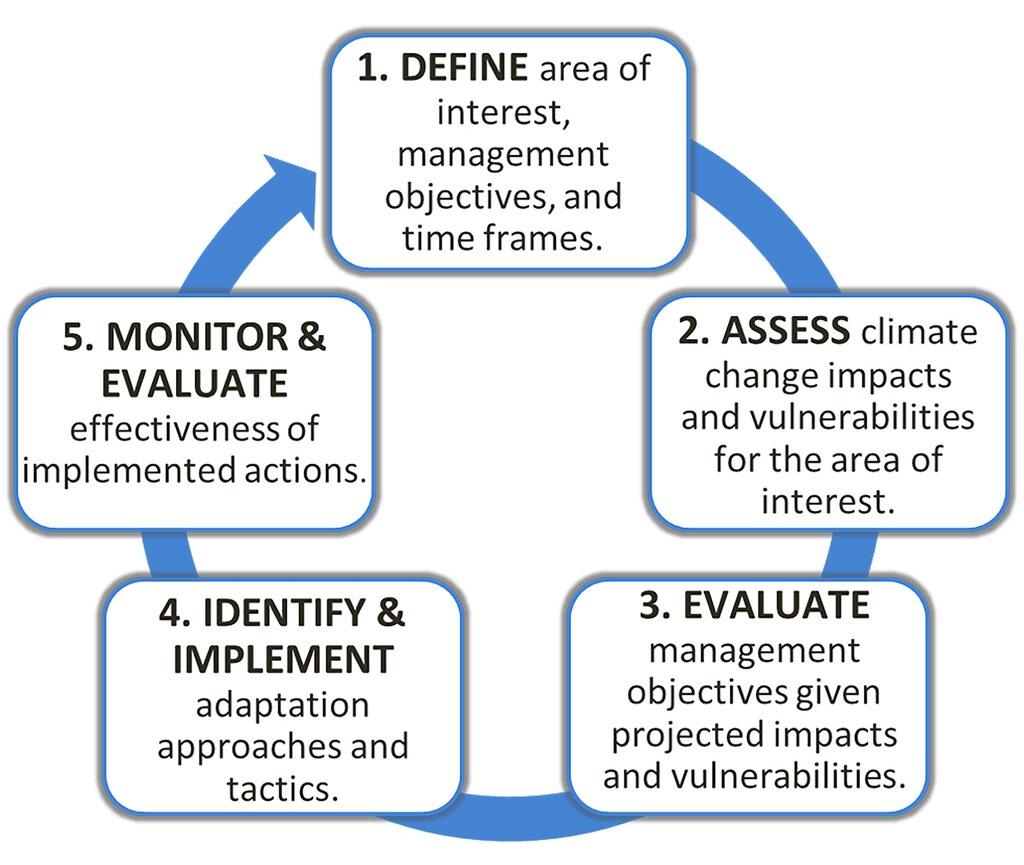
Tropical island ecosystems are highly vulnerable to the multiple threats of climate change. Research has shown that proactive planning can reduce climate change impacts by facilitating more efficient and rapid responses.
Beginning in January 2021, NIACS, in collaboration with the USDA Southwest Climate Hub , the Pacific Drought Knowledge Exchange, and the Pacific Islands Climate Adaptation Science Center collaboratively led an “Adaptation Planning and Practices (APP)” Training for Hawai‘i-based stewardship professionals. Participants attended a series of eight weekly workshops, with each week focused on advancing climate adaptation planning and implementation including on-the-ground adaptation tactics. More than 40 participants, representing federal and state government agencies, nongovernmental organizations, academia, and private landholders met remotely to receive practical training in considering climate change information and identifying adaptation actions for natural resources management professionals working in forests and native Hawaiian ecosystems.
Ryan Longman co-authored an article on the process and it was published by the Bulletin of the American Meteorological Society. To view the article click here.
Six Ways Population Change Will Affect the Global Economy
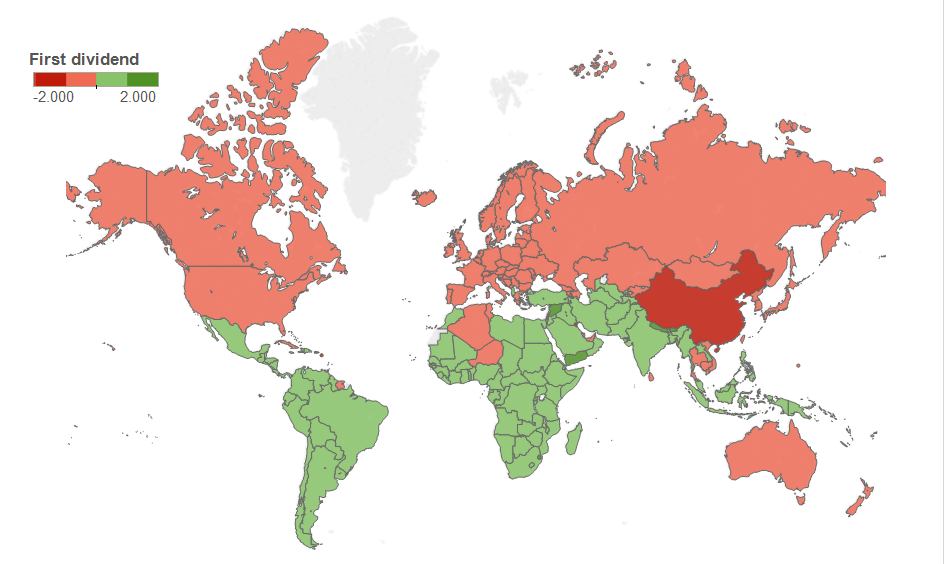
New estimates of economic flows by age combined with population projections show that in the coming decades (1) global GDP growth could be slower by about 1 percentage point per year, declining more sharply than population growth; (2) GDP will shift toward sub-Saharan Africa more than population trends suggest; (3) living standards of working-age adults may be squeezed by high spending on children and seniors; (4) changing population age distribution will raise living standards in many lower-income nations; (5) changing economic life cycles will amplify the economic effects of population aging in many higher income economies; and (6) population aging will likely push public debt, private assets, and perhaps productivity higher. Population change will have profound implications for national, regional, and global economies.
Co-authors from the EWC include Andrew Mason and Sang Hyop Lee.
China and COVID-19: Alienation and Its Discontents
China’s responses to COVID-19 reveal an evolving dynamic of (a) containment and control; (b) limited disclosure; and (c) escalating resistance. These stand against a background of historical grievance against the West and alienation from the international health policy community exemplified by the United States and its European allies with whom China has ongoing disputes over trade, human rights, and security. China’s COVID-19 response involves reaction to conflicting WHO themes of modernization and colonialization that both invite and inhibit participation by developing countries.
This publication is available for free as a PDF. Click here to go to the download page.
Hawai'i Established Program to Stimulate Competitive Research, Ike Wai Project
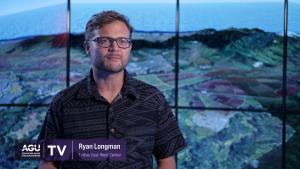
The Hawai‘i Established Program to Stimulate Competitive Research (EPSCoR) is a statewide program supported by the National Science Foundation (NSF) and administered by the University of Hawai‘i System. Hawai‘i EPSCoR builds state-wide research capacity for economic and workforce development.
The ʻIke Wai project is a 5 year research, education and capacity building project funded by the Hawai'i EPSCoR program. It focuses on answering three simple questions for Hawai'i: 1) How much water do we have? 2) Where does it flow? 3) How long will it last?
Ryan Longman contributed with the creation of the Hawai'i Climate Data Portal, which houses all telemeter data in Hawai'i. The portal organizes and visualizes data, giving ease-of access to stakeholders and educators across the state.
Book Review of Bayonets in Paradise: Martial Law in Hawai‘i during World War II
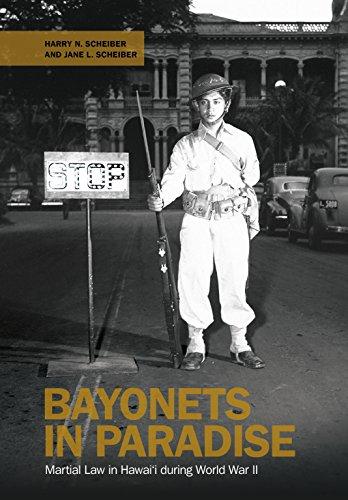
Bayonets in Paradise, written by harry N. Scheiber and Jane L. Scheiber, recounts the extraordinary story of how the army imposed rigid and absolute control on the total population of Hawaii during World War II. Declared immediately after the Pearl Harbor attack, martial law was all-inclusive, bringing under army rule every aspect of the Territory of Hawaii's laws and governmental institutions.
Based largely on archival sources, this comprehensive, authoritative study places the long-neglected and largely unknown history of martial law in Hawaii in the larger context of America's ongoing struggle between the defense of constitutional liberties and the exercise of emergency powers.
Sherry Broder, provides a detailed review of the book, available for download here.
East-West Wire: Inaugural China-Pacific Foreign Ministers' Meeting Sheds Light on Beijing’s Pacific Islands Strategy
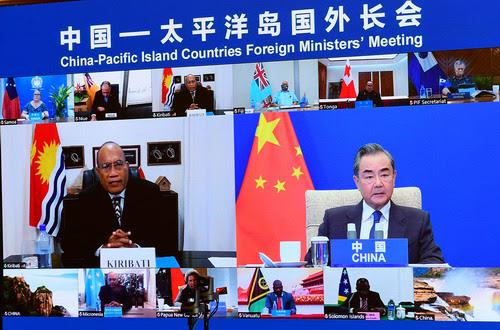
Recently, Chinese Foreign Minister Wang Yi met via video link with high-ranking officials from nine Pacific island countries and the Secretary General of the Pacific Islands Forum in the first-ever China-Pacific Foreign Ministers Meeting. New Zealand-based law scholar Dr. Lili Song writes in a new East-West Wire commentary that the October 21 meeting, which has received only limited coverage in non-Chinese media, sheds some new light on China’s strategy in the Pacific. Read the full East-West Wire here.
East-West Wire is a news, commentary, and analysis service provided by the East-West Center. Quotes and information from Center specialists and distinguished experts can be used by media with attribution to the East-West Center or the person quoted. To receive the East-West Wire by email, click here.
High-Level Dialogue on Fiscal Response to Inequality
Sang Hyop Lee gave a lecture at the Economic and Social Commision for Asia and the Pacific's (ESCAP) Expert Group Meeting on Building Forward Fairer - Economic Policies for an Inclusive Recovery and Development, on how fiscal policies impact inequalities, why some fiscal policies can have adverse impact on those at the bottom of the economic pyramid, and how to prioritize inequality-reducing fiscal policies aiming to build forward better.
The ESCAP's 3-day virtual conference engaged with experts and multiple stakeholders on the issue of inclusive recovery and development, in response to the UN Secretary-General's call for a New Social Contract, and an emphasis on People in the agenda of the G-20 Presidency under Indonesia in 2022. The full program is available from ESCAP's conference webpage. Dr. Lee's presentation can be downloaded in PDF format here.
Methodology of Constructing National Transfer Accounts (NTA) and their use in Social Policy

On October 25-29 the Institute of Demography of the National Research University, Higher School of Economics (Moscow, Russia) organized a training entitled "Methodology of constructing national transfer accounts (NTA) and their use in social policy" for staff of national statistical services, academic researchers and university professors from the countries of Eastern Europe and Central Asia. The main objectives of the training were (1) to exchange experiences and to discuss the results of constructing national transfer accounts in the countries represented by the workshop participants, (2) to get acquainted with possible applications of national transfer accounts in research and social policies. The workshop was attended by 50 participants from 10 countries: Azerbaijan, Belarus, Georgia, Kazakhstan, Kyrgyzstan, Moldova, Russia, Tajikistan, Turkey, Uzbekistan.
Andrew Mason, Ronald Lee, Gretchen Donehower, Hippolyte d'Albis, Concepcion Patxot Cardoner, Robert Gal gave lectures to the participants of the training. The seminar was conducted within the framework of regional UNFPA program: “Better Data for Better Policies. You can learn more about the NTA program at: www.ntaccounts.org.
Using National Transfer Accounts for Policy Advancement across Asia-Pacific
In collaboration with the East-West Center, the UN Population Fund (UNFPA) hosted a virtual three-day meeting which brought together multiple stakeholders from across 20 countries in the Asia Pacific to share updates and learn from their progress in using National Transfer Accounts. In particular on the last day, high-level policymakers joined the discussions on policies related with population aging. Click here to see some of the highlights.
East-West Wire: 'Taking on the World's Plastic Footprint
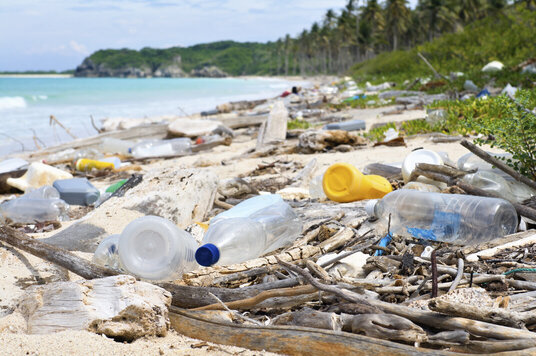
The latest East-West Center Wire, 'Taking on the World's Plastic Footprint,' explores the expanding ploliferation of plastics and its pollution, and the efforts needed to combat its environmentla impacts.
Calling plastic waste “one of the biggest challenges of our time,” Douglas Woodring, founder and managing director of the Ocean Recovery Alliance said in a recent East-West Center Insights webinar that plastic pollution currently impacts more human beings than even climate change. “Two billion people a day are impacted by plastic waste, including bad water, bad agriculture, bad fishing, bad tourism,” he said. “And I would say it's even more complicated actually than climate change.”
East-West Wire is a news, commentary, and analysis service provided by the East-West Center. Quotes and information from Center specialists and distinguished experts can be used by media with attribution to the East-West Center or the person quoted. To receive the East-West Wire by email, click here.
Addressing Drought in Hawaii and the US-Affiliated Pacific Islands
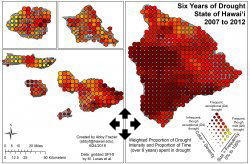
East-West Center researchers are collecting and analyzing statewide information on drought in Hawai'i across multiple sectors. They are working with partners at the US Department of Agriculture Forest Service and the University of Hawai'i at Mānoa to pilot Drought Knowledge Exchange projects in which researchers collaborate with land managers to co-produce site-specific drought information.
East-West Wire: ‘Water Grabbing’ on the Mekong
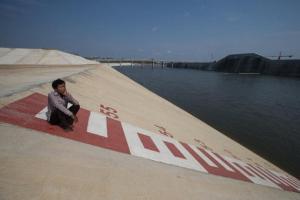
Photo: Jason South / Fairfax Media / Getty Images
The East-West Wire, ‘Water Grabbing’ on the Mekong, explores the far-reaching impacts of ‘out of control’ dam construction along Southeast Asia’s lifeline.
As dam-building projects continue to proliferate along Southeast Asia’s vital Mekong River, experts in a recent online discussion panel agreed that the area is fast becoming overloaded with them, dredging up far-reaching issues ranging from international friction and industry “water grabs” to widespread ecological disasters and the growing impacts of climate change.
East-West Wire is a news, commentary, and analysis service provided by the East-West Center. Quotes and information from Center specialists and distinguished experts can be used by media with attribution to the East-West Center or the person quoted. To receive the East-West Wire by email, click here.
New Article Series Explores Emerging Arctic Issues
Each year since 2011, a diverse group of Arctic specialists, officials, researchers, practitioners, policymakers, private-sector representatives, and Indigenous Peoples and other community leaders from a variety of countries have met at the East-West Center for wide-ranging discussions on Arctic issues. Supported by the Korea Maritime Institute, the North Pacific Arctic Conference offers participants the opportunity identify Arctic issues on the horizon and consider ways to frame these issues for policy action.
Following the most recent conference in October 2020, which had to be held virtually due to the COVID-19 pandemic, six conference Fellows wrote forward-looking, policy oriented articles for a special web series: NPAC Voices of the Future. Topics covered in the series include the impact of other geopolitical relationships on Arctic security negotiations, the necessity of a “precautionary management” approach in a warming Arctic, the need to better include Indigenous Arctic communities in decision-making, the cooperative scientific legacy of the four International Polar Years, potential legal and policy impacts of thawing permafrost, and the process of dividing ownership of the sea bed at the heart of the Artic.
Are Generous People Likely to Live Longer?
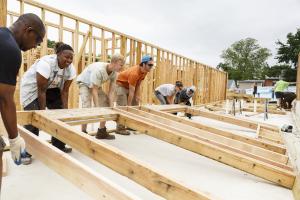
East-West Center Adjunct Senior Fellow Ronald Lee and two colleagues recently published findings in the journal PNAS (Proceedings of the National Academy of Sciences of the United States of America) suggesting that people who share more of their wealth live longer. The international team analyzed swaths of data from the National Transfer Accounts: Understanding the Generational Economy project. They found a strong relationship between a society's generosity and the average life expectancy of its members. "Findings from 34 countries on six continents suggest that survival is higher in societies that provide more support and care for one another," the authors write. "We suggest that this support reduces mortality by meeting urgent material needs, but also that sharing generosity may reflect the strength of social connectedness, which itself benefits human health and well-being and indirectly raises survival." Lee's and his colleagues' findings have been reported in 42 news articles around the world, including in Psychology Today, ScienceDaily, Aljazeera, and MarthaStewart.com.
East-West Center Disease Specialist Warns Hawaiʻi Residents: ‘This is Not the Time to Take Chances’
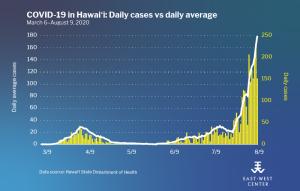
Tim Brown, an internationally renowned epidemic tracking expert at the East-West Center, has a stark message for Hawai‘i residents.
“If you're thinking of going out to eat, don’t,” Brown warns. “If you think you're safe at a gym, you aren’t. If you're getting together with those from other households, including extended family, without full masking and distancing, remember you are taking on the risk of everyone they have been exposed to in the last two weeks. The bottom line is that it is not safe out there, and this is not the time to take chances.”
Fire and Rain: The Legacy of Hurricane Lane in Hawai'i
In 2018, Hurricane Lane brought an unprecedented combination of flooding and wildfires in Hawai'i. A recent East-West Wire, co-authored by EWC researcher Ryan Longman, looks at the climate and weather conditions that led to the storm and the physical and economic damage that resulted. The Wire is based on a study published in the Bulletin of the American Meteorological Society,
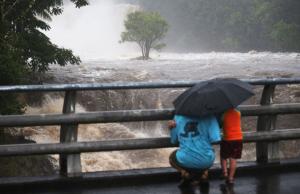
Over a four-day period, Hawaiʻi Island received an average of 17 inches of rainfall, with a four-day single-station maximum of 57 inches, making Hurricane Lane the wettest hurricane ever recorded in Hawaiʻi and the second wettest ever recorded anywhere in the United States.
“In this study, we document what we believe to be the first instance of a hurricane causing both heavy rainfall and contributing to multiple instances of fire simultaneously,” said Alison Nugent, lead author of the study and assistant professor of Atmospheric Sciences in UH Mānoa’s School of Ocean and Earth Science and Technology (SOEST). A better understanding of the causes and outcomes of Hurricane Lane can help the community improve planning for future seasons.
Challenges and Responses to COVID-19: Experience from Asia
By Nancy Davis Lewis and Jonathan D. Mayer
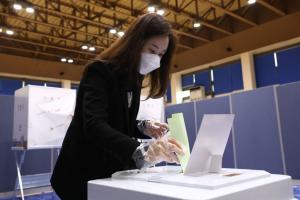
Experience in Asia suggests that public health and medical capacity are critical for an effective response to an emerging infectious disease, and political will and previous experience with disease outbreaks also play a role. Singapore ignored an important segment of its population and is now experiencing a huge spike in cases. China and Vietnam were able to enforce draconian measures, while in Japan and Hong Kong, civil society had a greater role in initiating effective controls. In several countries, local political outcomes have been affected by the perceived success or failure of leaders in controlling the crisis.
Impact of COVID-19 on Rice Farmers in Southeast Asia
By Jefferson M. Fox, Arunee Promkhambut, and Phanwin Yokying
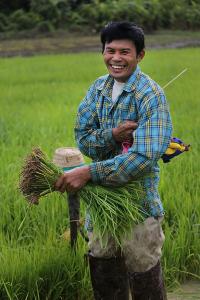
In Southeast Asia, COVID 19 has affected rice farming in many ways including security of land tenure and access to credit, capital inputs, remittance income, and safe food and water. During emergencies such as the 2019 drought and the COVID-19 pandemic, farmers need assistance, either from the government or private philanthropy. Thailand and Vietnam, the wealthier countries in the region, have provided farmers with basic assistance. Farmers in Myanmar, Laos, and Cambodia are struggling.
Count Your Care with a New Web App from the Counting Women’s Work Project
As the coronavirus pandemic widens, the need for unpaid care work is undeniable.
How do you spend your time on a typical day? Most of us know how much time we spend at paid jobs, but how much unpaid care work are we also doing? The Counting Women’s Work project answers this question for many countries across the globe. During the coronavirus pandemic, the unpaid care work that is most often provided by women will inevitably increase. We are caring for the sick at home. We are bringing food and supplies to quarantined neighbors. Millions of us are stepping into the role of teacher as schools close. Housework may be increasing also. Click COUNT MY WORK to try our online app and see how much time YOU spend in unpaid care work compared to people in many countries around the world. Share your results on social media and let us know how your unpaid care work is changing.
Counting Women's Work (CWW) is an international research project dedicated to measuring the unpaid care work that is most often provided by women. CWW is a project within the National Transfer Accounts research network, which is coordinated by the Economics and Demography of Aging (CEDA), University of California at Berkeley and the East-West Center (EWC) in Honolulu.
The East-West Center Research Program brings a cross-disciplinary approach to understanding the process of rapid transformation that is occurring in Asia and the Pacific. The Center’s collaborative research and capacity-building program aims to promote sustainability, prosperity, equity, and peace in the region.
Current research documents how economic, environmental, social, and political change are shaping Asia and the Pacific. Research focuses on changes in climate, land and water use, health, family dynamics, economic roles, and international politics.
As a boundary organization, the Center's Research Program works with research and policy communities in the US and the Indo-Pacific region to provide more complete knowledge and deeper understanding of environments, societies, economies, governments, and international relations in the region. Capacity building and research to support decision-making are conducted in close collaboration with networks of individuals and institutions throughout Asia and the Pacific and is shared broadly with planners, policymakers, regional specialists, the media, and the general public.
Featured Research Projects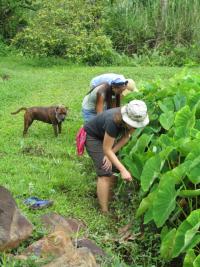 East-West Center researchers are studying changes in climate, land and water use, health, family dynamics, economic roles, and international politics in the Indo-Pacific region. | Recent Publications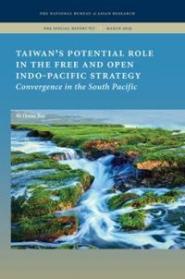 East-West Center authors publish analysis, commentary, and research findings in books, reports, and articles in magazines and scholarly journals. |
Research in the News | Research Staff |
East-West Wire Speaking for the Trees
Through a grant from the Henry Luce Foundation, the East-West Center, Michigan State University, the University of Hawaii's Center for Southeast Asian Studies and Center for Chinese Studies, and Chiang Mai University, led a series of webinars that explored how communities in Southeast Asia are experiencing the economic, social, and cultural dislocations of these transformations. The series focused on forests, rivers, documentarians and writers, and how the latter two have a role to play in ensuring that local concerns are head and understood. Read the full East-West Wire here.
East-West Wire is a news, commentary, and analysis service provided by the East-West Center. Quotes and information from Center specialists and distinguished experts can be used by media with attribution to the East-West Center or the person quoted. To receive the East-West Wire by email, click here.
Micah Fisher awarded 2022 Asia Pacific Economic Cooperation (APEC) Science Prize
Geography and Environment PhD alum (2019) and EWC Research Fellow Micah Fisher has been named the winner of the 2022 Asia Pacific Economic Cooperation (APEC) Science Prize for Innovation, Research, and Education (ASPIRE) from the US. This annual award recognizes young scientists who have demonstrated a commitment to both excellence in scientific research and cooperation with scientists from other APEC member economies in addressing the 2022 theme of Innovation to Achieve Economic, Environmental, and Social Goals.
This year’s theme focused on advancing the integration of a Bio-Circular-Green (BCG) Economy Model among APEC members, as well as environmental, social and governance (ESG) practices and the responsible business conduct (RBC) in the private sector. With this theme, ASPIRE 2022 sought to showcase impactful and meaningful research that were able to transform the whole of society to become more balanced and sustainable. Congratulations, Micah!
Pathways to Integrated Urban Water Management for Greater Jakarta
East-West Center Fellow, Micah Fisher, co-authored a report, Pathways to Integrated Urban Water Management for Greater Jakarta, for the World Bank. This report offers recommendations to support the adoption of integrated urban water management (IUWM) in Greater Jakarta. The information is intended to provide immediate actionable interventions in the short term, while building up the knowledge base and expertise for more strategic institutional planning and development approaches in the longer term.
The full report is available on the World Bank's website. Click here to view the report.
A National Framework for Integrated Urban Water Management in Indonesia
East-West Center Fellow, Micah Fisher, co-authored a report, A National Framework for Integrated Urban Water Management in Indonesia, for the World Bank. This report focuses on the potential for integrated urban water management (IUWM) to address the severe and interrelated water security challenges faced by Indonesian cities. IUWM is well established as an approach to urban water policy, planning, and management. It has been successfully adopted in cities around the world, but is not yet well known among local governments in Indonesia.
The full report is available on the World Bank's website. Click here to view the report.
Why India must make gender equality a top priority
East-West Center Fellow, Phanwin Yokying, authored a report, "Why India must make gender equality a top priority," concerning India's gender budget released early February 2022.
Although India has one of the fastest growing large economies in the world, the recent Union Budget does not do nearly enough to tackle the rampant gender inequities that persist across the country, Phanwin Yokying writes. Much more needs to be done to improve outcomes for women and girls in India. In 2019, India scored 0.820 in the United Nations Gender Development Index, which was significantly below Bangladesh, Nepal, Sri Lanka, and other lower-middle income countries in South Asia.
The full report is available on Asia & The Pacific Policy Society's Policy Form. Click here to view the report.
In the Wake of Coup, Gold Mining Boom Is Ravaging Myanmar
With a military junta retaking power last year, a gold rush is increasingly despoiling rivers in the Myanmar state of Kachin, polluting water with mercury, destroying riverbanks and farmland, and disrupting the traditional way of life of the region’s ethnic groups.
Kevin Woods, a research fellow at the East-West Center in Honolulu who has done extensive research on conflict resources in Myanmar, described a close link between deforestation hotspots and areas under the control of the military and paramilitary groups. “These highly lucrative resource deals have lubricated military-aligned political relations and bank accounts,” he said in an email.
Click here to read the full article on YaleEnvironment360.
Polar Perspectives No. 11 | The “New” Arctic as a Zone of Peaceful Competition
In this special edition of Polar Perspectives, the Korea Maritime Institute, East-West Center, Steering Committee of the North Pacific Arctic Conference, and the Wilson Center’s Polar Institute offer a useful point of departure to explore future cooperation on Arctic issues under the unique geopolitical conditions of the 2020s. A number of specific areas where cooperative initiatives seem feasible are suggested, as well as ways to adjust the existing structure of Arctic governance to capitalize on such opportunities. The authors—three senior Arctic experts from China, Russia, and the United States—counter narratives that describe the region as an arena of great power competition or of “Arctic exceptionalism.” They characterize the “new” Arctic as a zone of peaceful competition with opportunities to cooperate on specific issues, despite the diverging interests of major actors.
Click here to download the publication from the Wilson Center.
Hawai‘i Climate Data Portal
After almost a decade of development, the Hawai‘i Climate Data Portal (HCDP) launched on March 3, 2022. The portal provides access to climate data that includes more than 100 years of monthly rainfall maps, 30 years of daily temperature maps and a range of other variables and products, most of which are updated in near-real-time. Other features of the HCDP include climate map visualization and download tools, a library of related journal publications and reports, climate research highlights, information on Indigenous knowledge and climate perspectives, and links to decision support tools and resources.
You can read more about its development and release on The University of Hawai‘i News article, Revolutionary climate data portal critical to future planning.
You can watch a recording of the launch on YouTube.
Tropical island ecosystems are highly vulnerable to the multiple threats of climate change. Research has shown that proactive planning can reduce climate change impacts by facilitating more efficient and rapid responses.
Beginning in January 2021, NIACS, in collaboration with the USDA Southwest Climate Hub , the Pacific Drought Knowledge Exchange, and the Pacific Islands Climate Adaptation Science Center collaboratively led an “Adaptation Planning and Practices (APP)” Training for Hawai‘i-based stewardship professionals. Participants attended a series of eight weekly workshops, with each week focused on advancing climate adaptation planning and implementation including on-the-ground adaptation tactics. More than 40 participants, representing federal and state government agencies, nongovernmental organizations, academia, and private landholders met remotely to receive practical training in considering climate change information and identifying adaptation actions for natural resources management professionals working in forests and native Hawaiian ecosystems.
Ryan Longman co-authored an article on the process and it was published by the Bulletin of the American Meteorological Society. To view the article click here.
Six Ways Population Change Will Affect the Global Economy
New estimates of economic flows by age combined with population projections show that in the coming decades (1) global GDP growth could be slower by about 1 percentage point per year, declining more sharply than population growth; (2) GDP will shift toward sub-Saharan Africa more than population trends suggest; (3) living standards of working-age adults may be squeezed by high spending on children and seniors; (4) changing population age distribution will raise living standards in many lower-income nations; (5) changing economic life cycles will amplify the economic effects of population aging in many higher income economies; and (6) population aging will likely push public debt, private assets, and perhaps productivity higher. Population change will have profound implications for national, regional, and global economies.
Co-authors from the EWC include Andrew Mason and Sang Hyop Lee.
China and COVID-19: Alienation and Its Discontents
China’s responses to COVID-19 reveal an evolving dynamic of (a) containment and control; (b) limited disclosure; and (c) escalating resistance. These stand against a background of historical grievance against the West and alienation from the international health policy community exemplified by the United States and its European allies with whom China has ongoing disputes over trade, human rights, and security. China’s COVID-19 response involves reaction to conflicting WHO themes of modernization and colonialization that both invite and inhibit participation by developing countries.
This publication is available for free as a PDF. Click here to go to the download page.
Hawai'i Established Program to Stimulate Competitive Research, Ike Wai Project
The Hawai‘i Established Program to Stimulate Competitive Research (EPSCoR) is a statewide program supported by the National Science Foundation (NSF) and administered by the University of Hawai‘i System. Hawai‘i EPSCoR builds state-wide research capacity for economic and workforce development.
The ʻIke Wai project is a 5 year research, education and capacity building project funded by the Hawai'i EPSCoR program. It focuses on answering three simple questions for Hawai'i: 1) How much water do we have? 2) Where does it flow? 3) How long will it last?
Ryan Longman contributed with the creation of the Hawai'i Climate Data Portal, which houses all telemeter data in Hawai'i. The portal organizes and visualizes data, giving ease-of access to stakeholders and educators across the state.
Book Review of Bayonets in Paradise: Martial Law in Hawai‘i during World War II
Bayonets in Paradise, written by harry N. Scheiber and Jane L. Scheiber, recounts the extraordinary story of how the army imposed rigid and absolute control on the total population of Hawaii during World War II. Declared immediately after the Pearl Harbor attack, martial law was all-inclusive, bringing under army rule every aspect of the Territory of Hawaii's laws and governmental institutions.
Based largely on archival sources, this comprehensive, authoritative study places the long-neglected and largely unknown history of martial law in Hawaii in the larger context of America's ongoing struggle between the defense of constitutional liberties and the exercise of emergency powers.
Sherry Broder, provides a detailed review of the book, available for download here.
East-West Wire: Inaugural China-Pacific Foreign Ministers' Meeting Sheds Light on Beijing’s Pacific Islands Strategy
Recently, Chinese Foreign Minister Wang Yi met via video link with high-ranking officials from nine Pacific island countries and the Secretary General of the Pacific Islands Forum in the first-ever China-Pacific Foreign Ministers Meeting. New Zealand-based law scholar Dr. Lili Song writes in a new East-West Wire commentary that the October 21 meeting, which has received only limited coverage in non-Chinese media, sheds some new light on China’s strategy in the Pacific. Read the full East-West Wire here.
East-West Wire is a news, commentary, and analysis service provided by the East-West Center. Quotes and information from Center specialists and distinguished experts can be used by media with attribution to the East-West Center or the person quoted. To receive the East-West Wire by email, click here.
High-Level Dialogue on Fiscal Response to Inequality
Sang Hyop Lee gave a lecture at the Economic and Social Commision for Asia and the Pacific's (ESCAP) Expert Group Meeting on Building Forward Fairer - Economic Policies for an Inclusive Recovery and Development, on how fiscal policies impact inequalities, why some fiscal policies can have adverse impact on those at the bottom of the economic pyramid, and how to prioritize inequality-reducing fiscal policies aiming to build forward better.
The ESCAP's 3-day virtual conference engaged with experts and multiple stakeholders on the issue of inclusive recovery and development, in response to the UN Secretary-General's call for a New Social Contract, and an emphasis on People in the agenda of the G-20 Presidency under Indonesia in 2022. The full program is available from ESCAP's conference webpage. Dr. Lee's presentation can be downloaded in PDF format here.
Methodology of Constructing National Transfer Accounts (NTA) and their use in Social Policy
On October 25-29 the Institute of Demography of the National Research University, Higher School of Economics (Moscow, Russia) organized a training entitled "Methodology of constructing national transfer accounts (NTA) and their use in social policy" for staff of national statistical services, academic researchers and university professors from the countries of Eastern Europe and Central Asia. The main objectives of the training were (1) to exchange experiences and to discuss the results of constructing national transfer accounts in the countries represented by the workshop participants, (2) to get acquainted with possible applications of national transfer accounts in research and social policies. The workshop was attended by 50 participants from 10 countries: Azerbaijan, Belarus, Georgia, Kazakhstan, Kyrgyzstan, Moldova, Russia, Tajikistan, Turkey, Uzbekistan.
Andrew Mason, Ronald Lee, Gretchen Donehower, Hippolyte d'Albis, Concepcion Patxot Cardoner, Robert Gal gave lectures to the participants of the training. The seminar was conducted within the framework of regional UNFPA program: “Better Data for Better Policies. You can learn more about the NTA program at: www.ntaccounts.org.
Using National Transfer Accounts for Policy Advancement across Asia-Pacific
In collaboration with the East-West Center, the UN Population Fund (UNFPA) hosted a virtual three-day meeting which brought together multiple stakeholders from across 20 countries in the Asia Pacific to share updates and learn from their progress in using National Transfer Accounts. In particular on the last day, high-level policymakers joined the discussions on policies related with population aging. Click here to see some of the highlights.
East-West Wire: 'Taking on the World's Plastic Footprint
The latest East-West Center Wire, 'Taking on the World's Plastic Footprint,' explores the expanding ploliferation of plastics and its pollution, and the efforts needed to combat its environmentla impacts.
Calling plastic waste “one of the biggest challenges of our time,” Douglas Woodring, founder and managing director of the Ocean Recovery Alliance said in a recent East-West Center Insights webinar that plastic pollution currently impacts more human beings than even climate change. “Two billion people a day are impacted by plastic waste, including bad water, bad agriculture, bad fishing, bad tourism,” he said. “And I would say it's even more complicated actually than climate change.”
East-West Wire is a news, commentary, and analysis service provided by the East-West Center. Quotes and information from Center specialists and distinguished experts can be used by media with attribution to the East-West Center or the person quoted. To receive the East-West Wire by email, click here.
Addressing Drought in Hawaii and the US-Affiliated Pacific Islands
East-West Center researchers are collecting and analyzing statewide information on drought in Hawai'i across multiple sectors. They are working with partners at the US Department of Agriculture Forest Service and the University of Hawai'i at Mānoa to pilot Drought Knowledge Exchange projects in which researchers collaborate with land managers to co-produce site-specific drought information.
East-West Wire: ‘Water Grabbing’ on the Mekong
Photo: Jason South / Fairfax Media / Getty Images
The East-West Wire, ‘Water Grabbing’ on the Mekong, explores the far-reaching impacts of ‘out of control’ dam construction along Southeast Asia’s lifeline.
As dam-building projects continue to proliferate along Southeast Asia’s vital Mekong River, experts in a recent online discussion panel agreed that the area is fast becoming overloaded with them, dredging up far-reaching issues ranging from international friction and industry “water grabs” to widespread ecological disasters and the growing impacts of climate change.
East-West Wire is a news, commentary, and analysis service provided by the East-West Center. Quotes and information from Center specialists and distinguished experts can be used by media with attribution to the East-West Center or the person quoted. To receive the East-West Wire by email, click here.
New Article Series Explores Emerging Arctic Issues
Each year since 2011, a diverse group of Arctic specialists, officials, researchers, practitioners, policymakers, private-sector representatives, and Indigenous Peoples and other community leaders from a variety of countries have met at the East-West Center for wide-ranging discussions on Arctic issues. Supported by the Korea Maritime Institute, the North Pacific Arctic Conference offers participants the opportunity identify Arctic issues on the horizon and consider ways to frame these issues for policy action.
Following the most recent conference in October 2020, which had to be held virtually due to the COVID-19 pandemic, six conference Fellows wrote forward-looking, policy oriented articles for a special web series: NPAC Voices of the Future. Topics covered in the series include the impact of other geopolitical relationships on Arctic security negotiations, the necessity of a “precautionary management” approach in a warming Arctic, the need to better include Indigenous Arctic communities in decision-making, the cooperative scientific legacy of the four International Polar Years, potential legal and policy impacts of thawing permafrost, and the process of dividing ownership of the sea bed at the heart of the Artic.
Are Generous People Likely to Live Longer?
East-West Center Adjunct Senior Fellow Ronald Lee and two colleagues recently published findings in the journal PNAS (Proceedings of the National Academy of Sciences of the United States of America) suggesting that people who share more of their wealth live longer. The international team analyzed swaths of data from the National Transfer Accounts: Understanding the Generational Economy project. They found a strong relationship between a society's generosity and the average life expectancy of its members. "Findings from 34 countries on six continents suggest that survival is higher in societies that provide more support and care for one another," the authors write. "We suggest that this support reduces mortality by meeting urgent material needs, but also that sharing generosity may reflect the strength of social connectedness, which itself benefits human health and well-being and indirectly raises survival." Lee's and his colleagues' findings have been reported in 42 news articles around the world, including in Psychology Today, ScienceDaily, Aljazeera, and MarthaStewart.com.
East-West Center Disease Specialist Warns Hawaiʻi Residents: ‘This is Not the Time to Take Chances’
Tim Brown, an internationally renowned epidemic tracking expert at the East-West Center, has a stark message for Hawai‘i residents.
“If you're thinking of going out to eat, don’t,” Brown warns. “If you think you're safe at a gym, you aren’t. If you're getting together with those from other households, including extended family, without full masking and distancing, remember you are taking on the risk of everyone they have been exposed to in the last two weeks. The bottom line is that it is not safe out there, and this is not the time to take chances.”
Fire and Rain: The Legacy of Hurricane Lane in Hawai'i
In 2018, Hurricane Lane brought an unprecedented combination of flooding and wildfires in Hawai'i. A recent East-West Wire, co-authored by EWC researcher Ryan Longman, looks at the climate and weather conditions that led to the storm and the physical and economic damage that resulted. The Wire is based on a study published in the Bulletin of the American Meteorological Society,
Over a four-day period, Hawaiʻi Island received an average of 17 inches of rainfall, with a four-day single-station maximum of 57 inches, making Hurricane Lane the wettest hurricane ever recorded in Hawaiʻi and the second wettest ever recorded anywhere in the United States.
“In this study, we document what we believe to be the first instance of a hurricane causing both heavy rainfall and contributing to multiple instances of fire simultaneously,” said Alison Nugent, lead author of the study and assistant professor of Atmospheric Sciences in UH Mānoa’s School of Ocean and Earth Science and Technology (SOEST). A better understanding of the causes and outcomes of Hurricane Lane can help the community improve planning for future seasons.
Challenges and Responses to COVID-19: Experience from Asia
By Nancy Davis Lewis and Jonathan D. Mayer
Experience in Asia suggests that public health and medical capacity are critical for an effective response to an emerging infectious disease, and political will and previous experience with disease outbreaks also play a role. Singapore ignored an important segment of its population and is now experiencing a huge spike in cases. China and Vietnam were able to enforce draconian measures, while in Japan and Hong Kong, civil society had a greater role in initiating effective controls. In several countries, local political outcomes have been affected by the perceived success or failure of leaders in controlling the crisis.
Impact of COVID-19 on Rice Farmers in Southeast Asia
By Jefferson M. Fox, Arunee Promkhambut, and Phanwin Yokying
In Southeast Asia, COVID 19 has affected rice farming in many ways including security of land tenure and access to credit, capital inputs, remittance income, and safe food and water. During emergencies such as the 2019 drought and the COVID-19 pandemic, farmers need assistance, either from the government or private philanthropy. Thailand and Vietnam, the wealthier countries in the region, have provided farmers with basic assistance. Farmers in Myanmar, Laos, and Cambodia are struggling.
Count Your Care with a New Web App from the Counting Women’s Work Project
As the coronavirus pandemic widens, the need for unpaid care work is undeniable.
How do you spend your time on a typical day? Most of us know how much time we spend at paid jobs, but how much unpaid care work are we also doing? The Counting Women’s Work project answers this question for many countries across the globe. During the coronavirus pandemic, the unpaid care work that is most often provided by women will inevitably increase. We are caring for the sick at home. We are bringing food and supplies to quarantined neighbors. Millions of us are stepping into the role of teacher as schools close. Housework may be increasing also. Click COUNT MY WORK to try our online app and see how much time YOU spend in unpaid care work compared to people in many countries around the world. Share your results on social media and let us know how your unpaid care work is changing.
Counting Women's Work (CWW) is an international research project dedicated to measuring the unpaid care work that is most often provided by women. CWW is a project within the National Transfer Accounts research network, which is coordinated by the Economics and Demography of Aging (CEDA), University of California at Berkeley and the East-West Center (EWC) in Honolulu.
The East-West Center Research Program brings a cross-disciplinary approach to understanding the process of rapid transformation that is occurring in Asia and the Pacific. The Center’s collaborative research and capacity-building program aims to promote sustainability, prosperity, equity, and peace in the region.
Current research documents how economic, environmental, social, and political change are shaping Asia and the Pacific. Research focuses on changes in climate, land and water use, health, family dynamics, economic roles, and international politics.
As a boundary organization, the Center's Research Program works with research and policy communities in the US and the Indo-Pacific region to provide more complete knowledge and deeper understanding of environments, societies, economies, governments, and international relations in the region. Capacity building and research to support decision-making are conducted in close collaboration with networks of individuals and institutions throughout Asia and the Pacific and is shared broadly with planners, policymakers, regional specialists, the media, and the general public.
Featured Research ProjectsEast-West Center researchers are studying changes in climate, land and water use, health, family dynamics, economic roles, and international politics in the Indo-Pacific region. | Recent PublicationsEast-West Center authors publish analysis, commentary, and research findings in books, reports, and articles in magazines and scholarly journals. |
Research in the News | Research Staff |